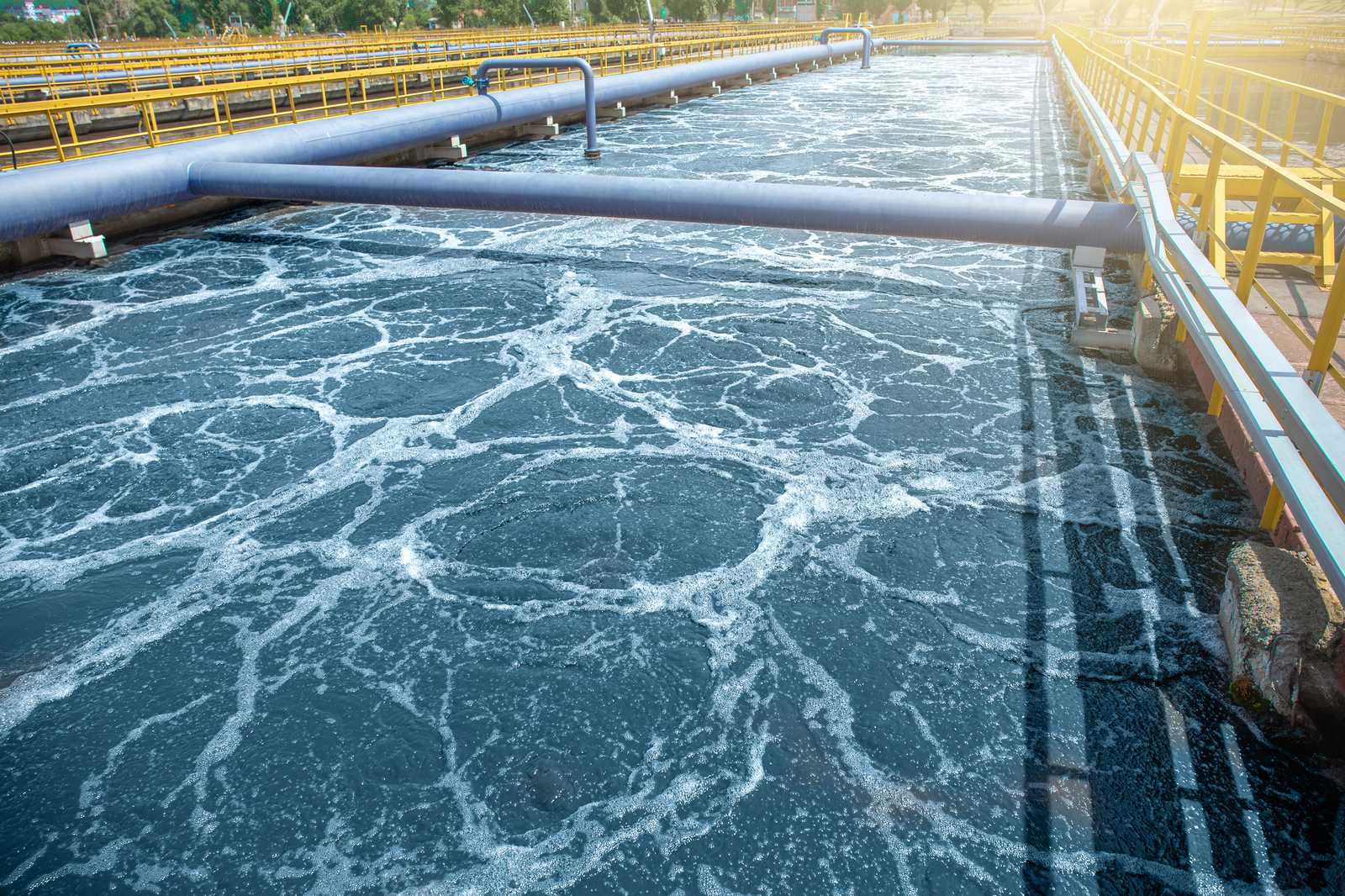
Aeration is one of the largest energy demands in wastewater treatment, often accounting for 45% to 75% of total plant energy use. When diffusers and blowers are selected as a complete wastewater aeration system, plants can achieve superior aeration performance, more stable oxygen transfer, lower energy consumption, and more predictable long-term operation. 

A Smarter System Approach

Blowers and diffusers do not perform independently. Diffuser condition affects backpressure, while blower airflow and control behaviour influence fouling, membrane aging, and overall system stability. As membranes foul or stiffen, even small increases in resistance can move the blower away from its most efficient operating range and increase operating costs. 
Why the Right Pairing Matters


  • A well-matched blower and diffuser system helps reduce:
  • Energy losses over time as operating conditions change. 
  • Dissolved oxygen fluctuations that can affect process stability. 
  • Higher airflow demand and rising backpressure caused by membrane fouling and aging
  • Performance drift that increases operating cost over the life of the system.
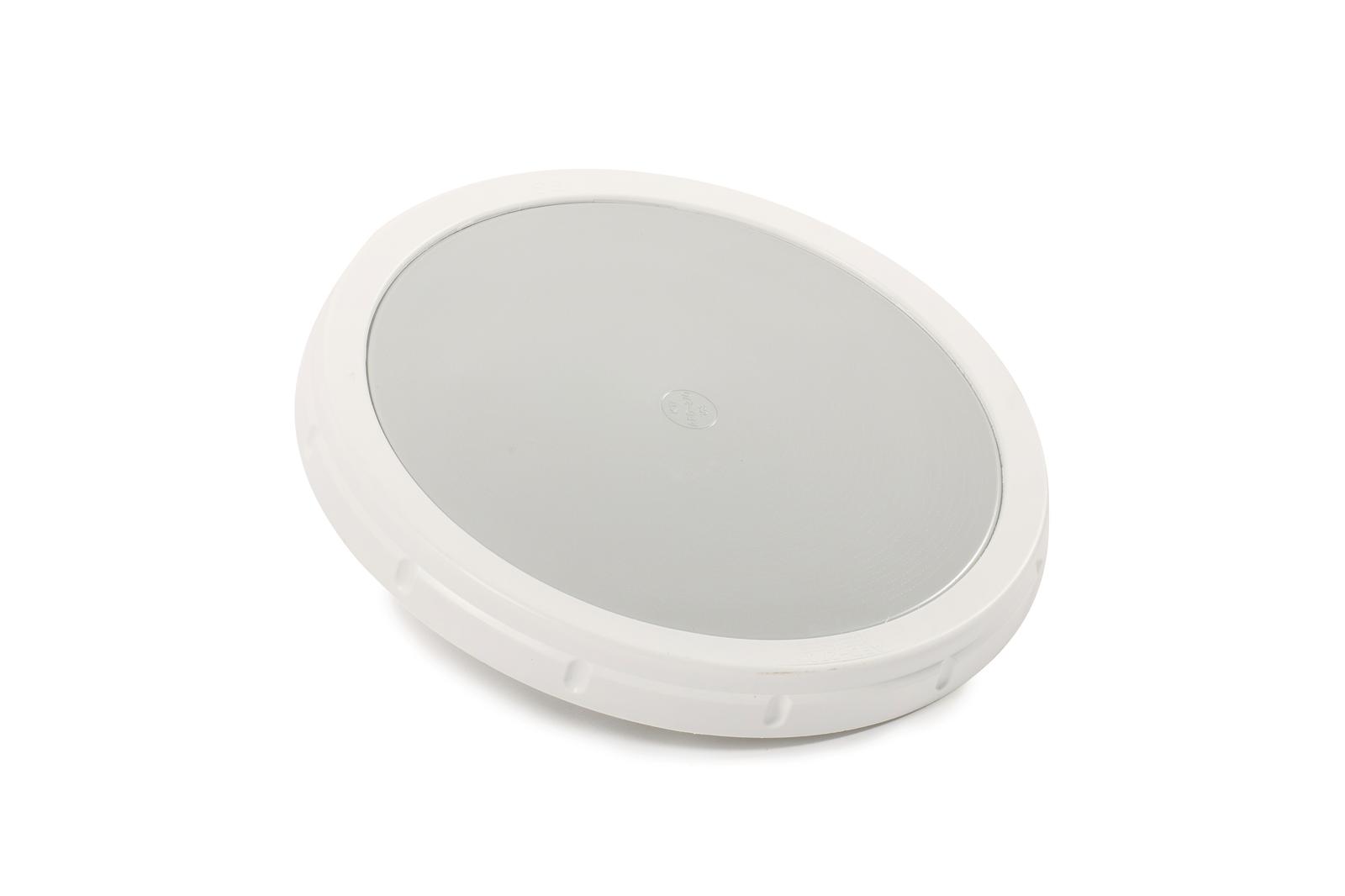
Fine bubble disc diffuser with advanced memrbane material for extended life.

Blower and Membrane Selection Must Work Together

The goal is not to prevent change, but to minimize its impact. By aligning diffuser membrane performance with blower capability and real process air demand, plants can maintain more reliable operation, preserve efficiency longer, and reduce lifecycle cost.  

One Integrated Aeration Solution

It is now possible to offer diffusers and blowers together as one integrated aeration solution for the aeration process. This approach helps align blower capability, diffuser membrane performance, and real process air demand from the start, supporting superior aeration performance, better system stability, and improved long-term energy efficiency. 

Discover blower solutions

Frequently Asked Questions

Diffusers and blowers are interdependent in the aeration process. Diffuser condition affects backpressure, while blower airflow and control behaviour influence fouling, membrane aging, and overall system stability. Selecting them together helps improve system matching and long-term performance.